

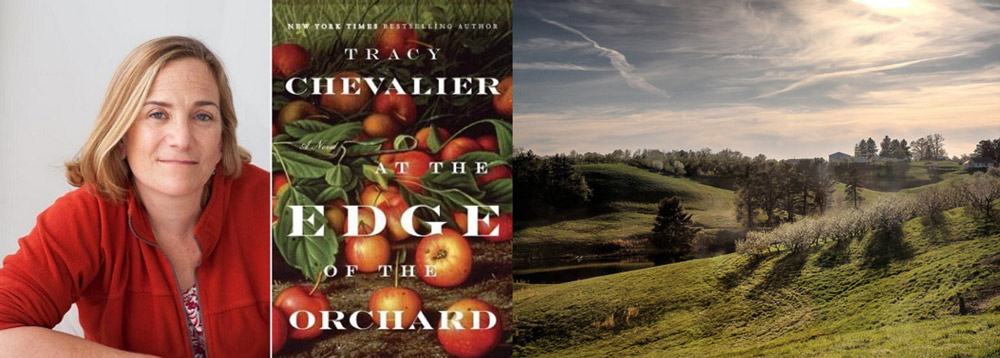
Reviewed by Helen Noll (UK)
“Actually trees are ruthless. They fight each other for light, for water, for all the good things that are in the ground. They survive only when they have enough space between them.”
As a lover of historical fiction, where you are taken by the author to another time and learn from it, this book definitely delivered both for me. At the Edge of the Orchard tells the story of the first settlers and their fight for survival in the new world of America.
It is a time before roads, families took what they had on a cart and moved as far West as they could until the cart could go no further and the horse was stuck in mud. As with the trees the people, who were making their way across America were living by much the same existence.
The story begins in 1838 when the Goodenoughs, a pioneer family, move to northwest Ohio and settle on the edge of the Great Black Swamp. The author describes the harsh reality of pioneer life and trying to cultivate the land — first living in a tent, then chopping trees to make a home, whilst trying to cultivate something from the land to survive on.
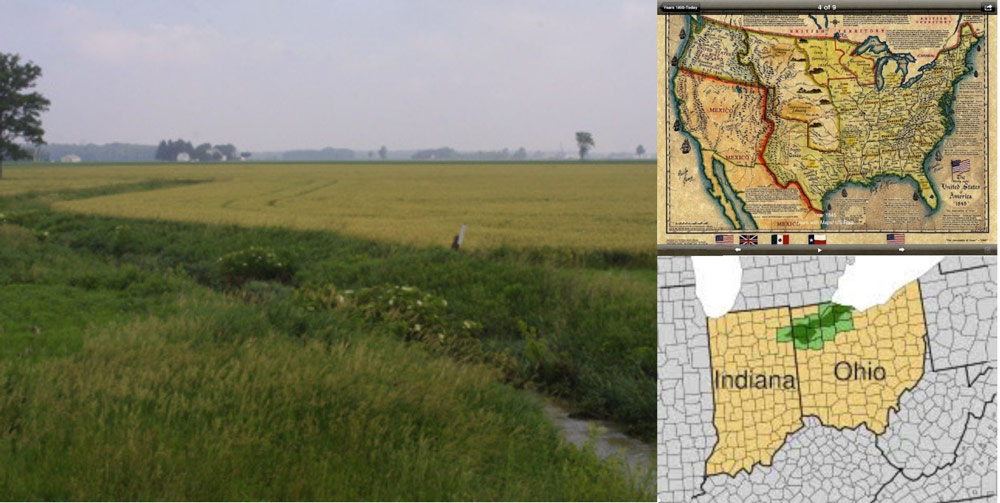
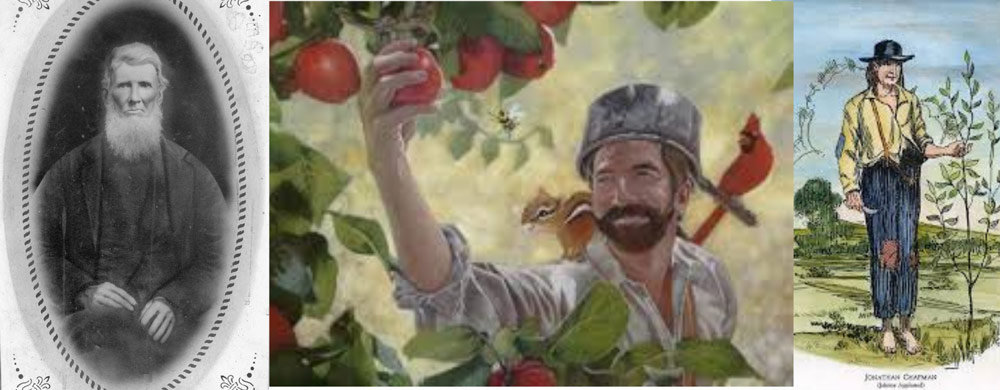
The title comes from the government offer that if a settler could grow 50 or more fruit-bearing trees – that land became theirs. It was the only way for impoverished folks to get land, the work of pioneering was tremendously hard and cost many their lives. This dramatic story takes place at the edge of the orchard — and the trees and the apples they bore that cost this family dearly. The reader is then also introduced to John Chapman (aka at Johnny Appleseed) who regularly visits the area to sell his apple seeds and small saplings.
The swamp where they settled would freeze and flood in winter, families that tried to settle there had to battle hard against nature in all its forms. Summers were hot and the swamp was a breeding ground for diseases such as cholera, typhoid and especially mosquito borne malaria. All these diseases could kill but malaria was particularly nasty as it can take three to five years to recover. There is documentation of people having the chills and fevers for years. Families had Quinine powder on their tables along with the salt and pepper, which they added to their meals to help combat the symptoms.
Sadie Goodenough is the cruel, vindictive and spiteful mother, who relentlessly works against the rest of her family. The treatment of her children is unbearable and any success in settling the land is ruined by her resentful actions. The dynamic shifts when a terrible incident occurs and the family quickly falls apart.
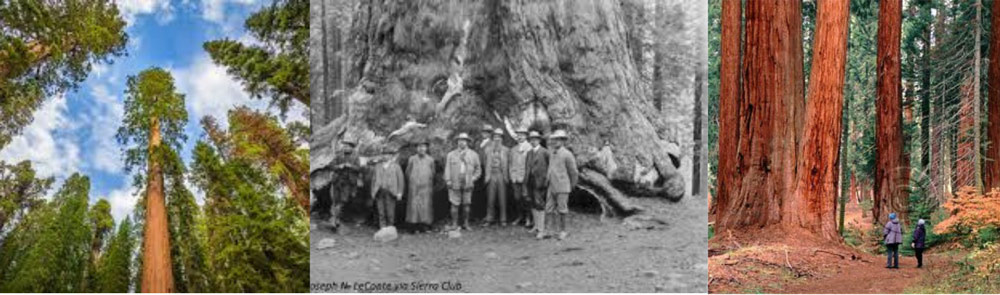
As we leave the swamp and travel with the youngest son, Robert, across America, we see the world through the eyes of an individual who like the tree his family was growing is trying his best to survive. It might be moving cattle, digging for gold or selling seeds — anything that will provide an income to survive. After many adventures, he eventually arrives in California where he meets up with a botanist from England. William Lobb, has been sent by his employer in England and they begin to work together collecting and cataloguing the flora and fauna of California. Much to their amazement they come across the great Sequoia trees. The botanist is keen to get seeds and saplings to England for the great Victorian gardens of that time.
In the redwood and giant sequoia groves Robert finds some solace, collecting seeds for a naturalist who sells plants from the New World to the gardeners of England. But you can run only so far, even in America, and when Robert’s past makes an unexpected appearance he must decide whether to strike out again or stake his own claim to a home at last.
Book Club members did a bit of research to discover that the botanist mentioned William Lobb was indeed a real person. He was from Cornwall, England and he and his brother Thomas were plant collectors. They worked for a specialist nursery in Exeter, England. Whilst Thomas went to Asia and brought back Rhododendrons and Orchids from India, Thailand and species from Nepal, his brother William travelled to South America and then up to California.
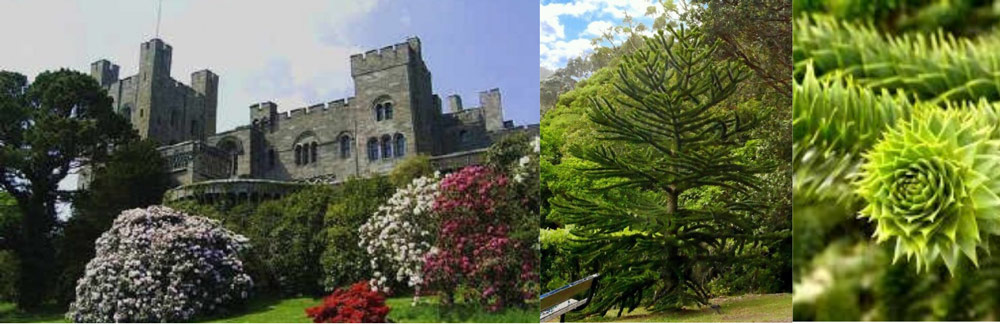
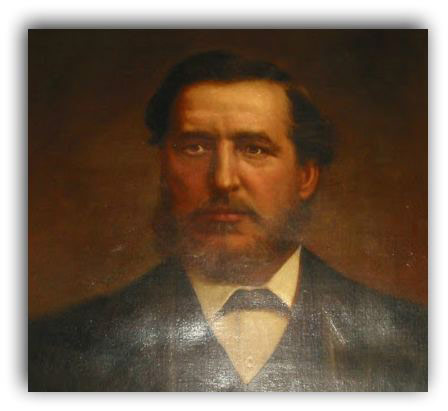 The brothers supplied famous garden nurseries back in England. William would carefully transport his precious small cargoes of seedlings, seeds and cones back to England to sell on to the wealthy owners of large country estates. His trees are still in existence, as the Giant Sequoia trees grow for thousands of years. William Lobb also brought the Monkey Puzzle Tree, another popular addition to the formal landscapes of stately British homes. You can find both of them still at Penrhyn Castle in Wales and other formal gardens in Britain. https://en.wikipedia.org/wiki/William_Lobb as well as in the Botanical Gardens of Prague
If you would like to know more about the author here is a link to an NPR interview


